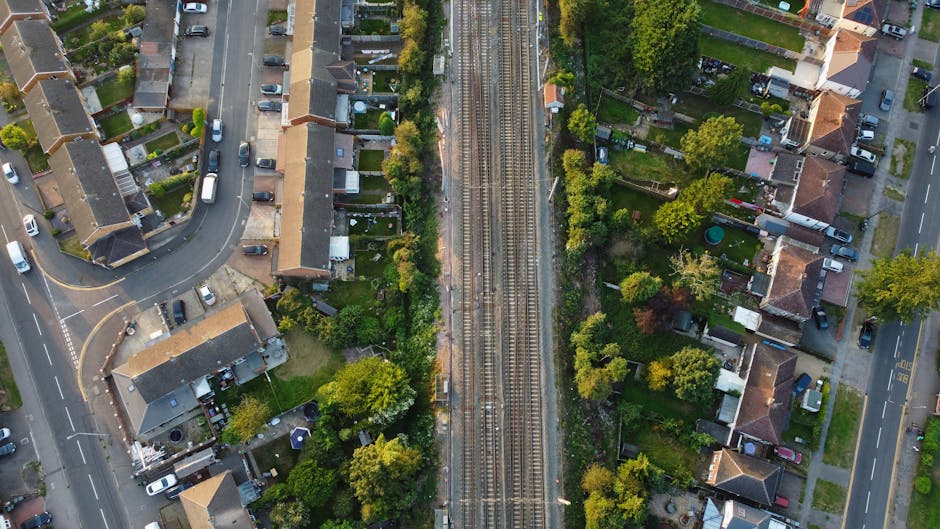
Local gardeners for Feltham High Street homes and flats
If you live on or near Feltham High Street, you already know the truth: outdoor space in a flat or terraced home can be a mixed blessing. One week it looks manageable, the next it is a jungle of pots, patchy grass, stubborn hedge growth, and maybe a balcony that has become a storage area for things you keep meaning to sort out. Local gardeners for Feltham High Street homes and flats are there for exactly that sort of reality. They understand compact plots, shared access, tight parking, and the simple need to keep a small space neat without turning your whole day upside down.
This guide explains what local gardening help actually involves, how it works for homes and flats on Feltham High Street, what services matter most, and how to choose the right approach for your space. You will also find practical checklists, a comparison table, common mistakes to avoid, and the kind of small but important details that make a garden job go smoothly rather than awkwardly. To be fair, a tidy outdoor space can change the feel of a home more than people expect.
For a broader look at what is available, you can also explore the full services overview and learn more about the team on the about us page.
Table of Contents
- Why this matters for Feltham High Street homes and flats
- How the service works in practice
- Key benefits and practical advantages
- Who this is for and when it makes sense
- Step-by-step guidance
- Expert tips for better results
- Common mistakes to avoid
- Tools, resources and recommendations
- Law, compliance, standards and best practice
- Options, methods and comparison table
- Case study or real-world example
- Practical checklist
- Conclusion
- Frequently asked questions
Why Local gardeners for Feltham High Street homes and flats Matters
Feltham High Street is not the kind of place where outdoor space can be treated casually. Homes and flats here often face a few familiar pressures: limited storage, neighbours close by, shared entrances, and small gardens that need regular attention if they are going to stay pleasant. When gardening slips, it tends to show quickly. A few missed weeks and suddenly there is a mess of weeds, overgrown edges, overflowing planters, and grass that looks more tired than lush.
Local gardeners matter because they bring the right scale of service. They are not trying to impose a grand country-garden plan on a compact urban space. They are thinking about what will actually work in a front garden, courtyard, balcony, communal patch or narrow rear plot. That means practical maintenance, sensible planting, tidy finishes, and an eye for everyday use.
There is also a trust angle here. Local knowledge helps. A gardener who works regularly in Feltham is more likely to understand access constraints, parking realities, neighbour sensitivity, and the rhythm of local residential streets. That may sound small, but it makes the whole process easier. And if you live in a flat, ease matters a lot. Nobody wants a morning of hauling bags of cuttings through a hallway in a mild panic.
In many cases, people do not need a full redesign. They need consistency. They need a tidy lawn, clean borders, light pruning, safe access, and someone who will notice the little things before they become the big things. That is what makes local gardening support genuinely valuable rather than just convenient.
How Local gardeners for Feltham High Street homes and flats Works
The process is usually straightforward, but good results depend on clear communication. The first step is normally a look at the space itself. For houses, that may mean a small front garden, rear lawn, side return, or a strip that needs regular cutting and edging. For flats, it might be a balcony, shared communal area, planter beds, roof terrace, or a small entrance feature that needs ongoing upkeep.
A proper visit or initial discussion should cover the basics: what the space looks like now, what you want it to look like, how often you want it maintained, and whether there are any access issues. Is there a locked gate? Shared bins nearby? Limited lift access? A single awkward step that makes moving equipment harder than it should be? These are the sorts of details that save time later.
From there, the gardener will usually suggest a maintenance plan or one-off work depending on need. For example:
- regular mowing and edging for small lawns;
- hedge trimming to keep paths and sightlines clear;
- garden clearance for neglected or heavily overgrown spaces;
- seasonal tidying, pruning and bed refreshes;
- landscaping or reworking if the current layout is no longer practical.
If the job involves more than routine care, the gardener may recommend related services such as lawn mowing, hedge trimming, garden maintenance, or even garden clearance for a complete reset.
One thing people often underestimate: flats and smaller homes benefit from rhythm. A 30-minute tidy every couple of weeks can often keep a space in shape better than a big rescue job every few months. Not always, of course, but often enough that it is worth planning around.
Key Benefits and Practical Advantages
The obvious benefit is that the garden looks better. But if that were the whole story, this article would be rather short. The real value is in the way a maintained outdoor space changes the everyday use of a home or flat.
More usable space. A clean, well-kept courtyard or small garden can become a place to sit, store a few pots neatly, or simply enjoy some fresh air without feeling boxed in by clutter. Even a tiny area can feel much larger when it is organised properly.
Less stress. If you are already juggling work, family, commuting, or the usual London blur, garden tasks slip. A local gardener removes that nagging sense that the space is always one weekend behind.
Better presentation. If you rent, own, or manage a property, exterior appearance matters. A tidy front area can make a flat block or terrace feel looked after rather than forgotten.
Safer access. Overgrowth around steps, paths, or entrances can create trip hazards. Clearing and trimming helps keep the space safer for residents and visitors.
Flexible support. You do not always need the same level of service forever. Some months call for full maintenance; others just need a light touch-up. Good local gardeners can adapt without making it complicated.
There is also the practical advantage of using services that fit together. For example, if a small outdoor space needs a refresh after a long winter, combining maintenance with landscape gardening or a modest landscaping update can make the area easier to manage long-term. A small change in layout, drainage or planting choice can save a lot of future work. Sounds obvious, but people miss it all the time.
Who This Is For and When It Makes Sense
This kind of service is not only for people with large gardens. In fact, it is often more useful for compact spaces because compact spaces show neglect faster. If your home or flat on Feltham High Street has any of the following, professional gardening help may make real sense:
- a front garden that needs regular cutting and border tidying;
- a rear garden that has become overgrown and awkward to reclaim;
- balcony planters that need structure rather than random survival mode;
- a communal area that needs a consistent, respectful tidy-up;
- hedges, shrubs or small trees that need careful management;
- an outdoor area you want to enjoy rather than keep apologising for.
It also makes sense for landlords and property managers who need the outside of a building to stay presentable between tenancies or throughout the year. And for older residents, or anyone who simply does not want to spend weekends wrestling with pruning shears and bags of clippings, it can be a relief. Truth be told, not everyone wants to spend Saturday morning arguing with a hedge.
If your needs are more occasional than routine, a one-off reset might be enough. If the space grows quickly or gets heavy foot traffic, recurring visits are usually better value. The key is matching the service to the reality of the space, not to some ideal version of your garden that exists only in your head. Happens to all of us.
Step-by-Step Guidance
If you are hiring local gardeners for a Feltham High Street home or flat, a simple process works best. Here is a practical way to approach it.
- Look at the space with a clear eye. Decide what is actually bothering you. Is it the grass, the hedge, the clutter, the planting, or the fact that everything feels a bit scruffy together?
- Prioritise safety and access. Make sure the gardener can reach the area, get tools in and out, and work without causing disruption to neighbours or building access.
- Separate maintenance from improvement. Some jobs are routine, others are restorative. A simple mow is not the same as a full garden clearance or a redesign.
- Ask for the right service mix. You may need a combination of mowing, hedge work, clearance and general tidying. For more involved work, it can help to look at service options in one place first.
- Agree on timing and frequency. A monthly, fortnightly or seasonal schedule can make a major difference in how manageable the space feels.
- Check the plan for waste removal. Garden cuttings, branches and old plants need to go somewhere. Ask how clippings will be handled and whether recycling or disposal is included in the process.
- Review the result with fresh eyes. After the work is done, walk the space slowly. A few small adjustments at the end are often what make a job feel properly finished.
If you are booking for a flat, it can help to explain the building layout in advance: access points, loading restrictions, shared gates and any preferred working times. It is the kind of thing that feels slightly dull at first, then very useful later.
Expert Tips for Better Results
A good gardening result in a built-up street setting is usually less about dramatic changes and more about smart, repeatable decisions. Here are a few that make a noticeable difference.
Keep planting simple where space is tight. In small gardens or flats, too many competing plant types can make the space feel busy and harder to maintain. A restrained palette often looks better and is easier to keep under control.
Use structure before decoration. Paths, edges, boundaries and container placement matter more than people think. If those elements are tidy, the whole space feels calmer straight away.
Plan for sunlight honestly. A balcony that gets a few pale hours of sun is not the same as a south-facing garden. Choose plants and finishes to suit the actual light, not the optimistic version.
Think in maintenance cycles. If a hedge grows quickly, ask for a regular trim before it becomes a chore. If lawn edges keep going ragged, build edging into the routine. Preventive care is often cheaper in effort, which is what most people really care about.
Keep waste under control. Garden waste looks twice as messy in a small space. A tidy removal plan matters almost as much as the cutting itself.
Choose practical finishes. For many flats and small homes, functionality beats elaborate design. Easy-to-clean surfaces, manageable beds and simple access points make life easier long after the gardeners have gone home.
A small human note here: if a space has been ignored for a while, do not expect perfection on day one. Start with a good reset, then keep it steady. That is usually how the best results happen. Quietly, not dramatically.
Common Mistakes to Avoid
Most garden frustrations in residential London settings come from a few predictable mistakes. Once you know them, they are easy enough to avoid.
- Waiting too long. A little overgrowth becomes a bigger, slower job. Then more expensive in time, if not money.
- Trying to do everything at once. A full clear-out, planting refresh and redesign in one go can be too much for a small property. Better to phase it.
- Choosing style over practicality. Pretty is nice. Manageable is nicer when you live in a flat and do not have endless weekends free.
- Ignoring access issues. If the gardener cannot easily get to the area, the job becomes awkward very quickly.
- Skipping waste planning. Clippings, roots and old garden debris can pile up fast if no one has thought through removal.
- Not setting expectations. If you want a low-maintenance finish, say so. If you want more ambitious landscaping, say that too.
One common issue in flats is assuming shared spaces are someone else's problem. Usually, they are not. A shared entrance bed, small communal strip or building border benefits from a simple maintenance routine, even if nobody is shouting about it. In some ways, that is the whole point.
Tools, Resources and Recommendations
You do not need a warehouse full of equipment to keep a Feltham High Street home or flat looking decent. Good gardening work is often about having the right tools for the space, not every tool under the sun.
For routine maintenance, the essentials usually include cutting tools, edging tools, rakes, collection bags or bins, and safe transport for waste. For more complex jobs, specialised equipment may be needed for hedge work, tougher clearances, or heavier landscaping tasks. The key is not the machine itself; it is whether the person using it knows how to work in a confined residential setting without making a mess of the place.
If you are comparing service types, a simple way to think about it is this:
| Need | Best-fit service | What it solves |
|---|---|---|
| Routine tidy-up | Garden maintenance | Keeps a small space neat and manageable |
| Grass that gets away from you | Lawn mowing | Restores shape and makes the garden look cared for |
| Boundaries closing in | Hedge trimming | Improves structure, access and safety |
| Overgrown or cluttered space | Garden clearance | Removes debris and resets the area |
| Space needs a fresh layout | Landscaping or landscape gardening | Improves the long-term use of the garden |
For service planning, it is also worth looking at pricing and quotes early on, especially if you are comparing a one-off tidy with regular maintenance. If sustainability matters to you, the company's recycling and sustainability approach is another sensible thing to review. Little details, but they add up.
Law, Compliance, Standards, or Best Practice
For most residential gardening work, the practical focus is on safety, access, waste handling and clear service expectations rather than heavy regulation. Even so, best practice matters. A gardener working around flats and High Street properties should treat access carefully, avoid creating trip hazards, manage tools responsibly, and leave the site tidy at the end of the visit.
Where trees, larger branches or more complex cutting is involved, it is sensible to ask questions about competence and safety before work starts. Not every green job is the same. A hedge tidy and a more substantial tree-related task are very different in risk and method. That is why services such as tree lopping and removal should be discussed separately when relevant.
For residents and property managers, a few simple standards are worth expecting:
- clear communication before work begins;
- reasonable care around neighbours, vehicles and shared access;
- safe handling of tools and waste;
- respect for privacy and property boundaries;
- transparent terms where scope, timing and payment are concerned.
If you like to check the detail, the health and safety policy, insurance and safety information, and terms and conditions are sensible places to review before booking. That is not being fussy. It is just good sense.
Accessibility matters too, particularly for flats and shared buildings. If you need information in a clear format or have specific access concerns, the accessibility statement can be useful to check. Small practicalities can make a big difference on the day.
Options, Methods, or Comparison Table
When people search for gardeners for Feltham High Street homes and flats, they are often deciding between a few different ways of managing the space. Here is a simple comparison that helps with that decision.
| Approach | Best for | Pros | Trade-offs |
|---|---|---|---|
| One-off tidy-up | Neglected spaces, move-in/move-out refresh | Fast reset, immediate visual improvement | Needs follow-up to stay tidy |
| Regular maintenance | Small lawns, ongoing flat gardens, communal areas | Predictable, easier to budget, less stress | Requires ongoing scheduling |
| Clearance then maintenance | Overgrown or cluttered spaces | Best for full recovery and long-term control | More involved at the start |
| Maintenance plus light landscaping | Spaces that function badly as they are | Improves usability, not just appearance | Takes more planning up front |
In many flats, the sweet spot is regular maintenance with a few small design fixes. In many houses, it is a reset followed by seasonal care. There is no magic formula here, just the right fit for the way you actually use the space.
Case Study or Real-World Example
Imagine a first-floor flat on Feltham High Street with a small rear space and a front communal strip. Nothing dramatic, just a place that has slowly drifted. Pots are crowded. The grass patch has become uneven. A hedge is pushing out into the path. The resident is busy, works odd hours, and keeps putting it off because, well, life.
A sensible local gardening visit might begin with a quick review of access and priorities. The main goal is not to "transform" the space into something unrecognisable. It is to make it feel calm and usable again. So the work could include a tidy mow, edging, hedge reduction, removal of dead growth, and a plan for future upkeep. If the layout is awkward, a small landscape adjustment could help prevent the same problems coming back.
What changes most in a case like that is not just appearance. It is the feeling of control. The entrance feels more welcoming. The small outdoor area no longer nags at the back of your mind every time you walk past it. And that matters more than people admit, especially in the middle of a busy week.
Expert summary: For homes and flats on Feltham High Street, the best gardening results usually come from simple, repeatable maintenance combined with practical changes that suit the space. Keep it tidy, keep it reachable, and do not overcomplicate it.
Practical Checklist
Use this checklist before booking local gardeners or arranging a visit.
- List the exact areas that need attention.
- Decide whether you need a one-off job or ongoing maintenance.
- Note any access issues, locked gates, shared entrances or parking limits.
- Identify priority tasks such as mowing, hedge work, clearance or pruning.
- Think about waste removal and whether cuttings need to be taken away.
- Ask whether the service is suitable for flats, communal spaces or compact gardens.
- Check any policy pages that matter to you, such as safety, privacy or payment information.
- Set a realistic budget and ask for a clear quote.
- Decide what a good result looks like before work begins.
- Plan a follow-up schedule so the space does not drift back into chaos. It happens fast.
Conclusion
Local gardeners for Feltham High Street homes and flats are about more than keeping things neat. They help small outdoor spaces stay useful, safe and welcoming, whether you live in a compact house, a flat with a balcony, or a property with a shared frontage. The best service is the one that matches your actual space, your routine, and the level of care your garden really needs.
If you take only one thing from this guide, let it be this: small spaces deserve proper planning. A little regular attention goes a long way, and the right local gardener can make the whole process feel simple instead of burdensome. That is a good feeling, honestly.
Get a free quote today and see how much you can save.
When you are ready to take the next step, explore the services overview or make contact through the contact us page. And if you are comparing options, the pricing and quotes page is a sensible place to start. A tidy outdoor space has a way of making home feel lighter. Simple as that.
Frequently Asked Questions
Do local gardeners in Feltham High Street work on flats as well as houses?
Yes, and that is often where they are most useful. Flats usually have tighter access, smaller outdoor spaces and more shared areas, so a gardener who understands those constraints can make the job smoother and less disruptive.
What kinds of jobs are most common for small homes and flats?
Routine mowing, hedge trimming, border tidying, light pruning, garden clearance and general maintenance are the most common requests. For many properties, the key is keeping things manageable rather than doing a full redesign.
Is one-off garden clearance enough for a neglected space?
Sometimes, yes. If the space has just drifted a little, a clearance can reset it. If the area grows quickly or gets used heavily, though, follow-up maintenance is usually the better choice.
How often should a small garden be maintained?
That depends on growth and use, but many small spaces benefit from regular visits rather than waiting until everything looks overgrown. Fortnightly or monthly maintenance is common for spaces that need consistent control.
Can a gardener help if my balcony or shared outdoor area is awkward to access?
Yes, provided the access is explained clearly beforehand. Tight entrances, upper-floor access and shared buildings are all manageable if the gardener knows what to expect. Surprises on site are what make things messy.
What should I ask before booking a gardener for a flat?
Ask about scope, timing, access, waste removal, pricing, and whether they have experience with compact or shared residential spaces. If you need reassurance about safety or payment, review the relevant policy pages first.
Do I need landscaping, or just maintenance?
If the garden layout works but looks tired, maintenance may be enough. If the space is hard to use, badly arranged or difficult to keep tidy, some light landscaping or landscape gardening may make more sense.
What happens to cuttings and garden waste?
That should be agreed in advance. Some jobs produce only light waste, while clearances or hedge work can create far more. It is always better to clarify disposal early rather than leave bags sitting around afterwards.
Are local gardeners suitable for landlord or rental properties?
Yes. In fact, regular garden care can be very helpful for rental homes and flats because it keeps the outside presentation consistent between tenancies and reduces last-minute panic before inspections or viewings.
How do I know if a gardening service is trustworthy?
Look for clear communication, a sensible service structure, transparent terms, and proper information about safety, insurance and policies. A trustworthy service feels organised without being overcomplicated.
Can gardening help make a small space look bigger?
Absolutely. Cleaner edges, simplified planting, better use of containers and less clutter can make even a tiny garden or balcony feel more open. It is one of those changes you notice the moment you step outside.
What is the best first step if my outdoor space is in a mess?
Start with a clear assessment. Decide whether you need a clearance, a maintenance plan or a small redesign. Then ask for a quote based on the actual condition of the space, not the version you hope it becomes next summer.