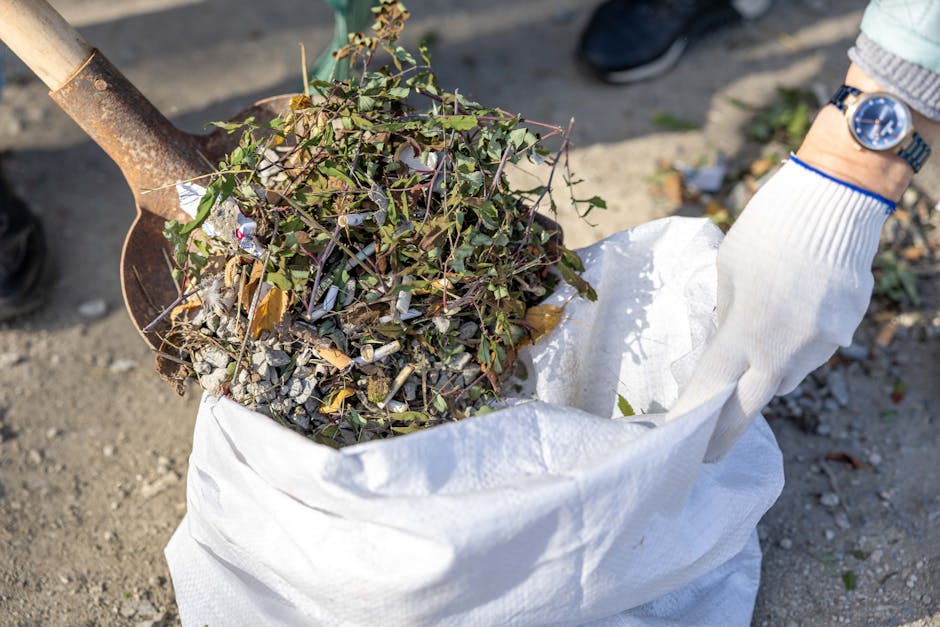
Emergency garden clearance gardeners available same day Feltham
If your garden has tipped from "a bit untidy" into "needs sorting today," you are not alone. Storm damage, a sudden house move, fly-tipped waste, overgrown hedges, or an outdoor space that has simply been ignored for too long can turn into a real headache fast. That is exactly where Emergency garden clearance gardeners available same day Feltham becomes useful: quick, practical help when the job cannot wait until next week.
This guide explains what same-day garden clearance actually involves, how the process works, what to expect, and how to choose the right team without wasting time. It also covers the sensible stuff people often forget in a rush: access, waste handling, safety, pricing, and what "urgent" should realistically mean. Because let's face it, when the garden is blocking a path or a deadline is looming, you need clarity, not a sales pitch.
For a broader view of available work, you can also explore the services overview and the dedicated garden clearance service pages for related options.
Table of Contents
- Why emergency garden clearance matters
- How same-day garden clearance works
- Key benefits and practical advantages
- Who this is for and when it makes sense
- Step-by-step guidance
- Expert tips for better results
- Common mistakes to avoid
- Tools, resources and recommendations
- Law, compliance, standards and best practice
- Options, methods and comparison table
- Case study or real-world example
- Practical checklist
- Conclusion
- Frequently asked questions
Why Emergency garden clearance gardeners available same day Feltham Matters
Urgent garden clearance is about more than appearances. A messy or blocked garden can create trip hazards, stop bins or deliveries getting through, and make it harder to use your outdoor space safely. In some cases, the issue is time-sensitive: a tenant is moving out, an estate agent has booked photos, a landlord wants the property ready, or a fallen branch has turned a normal garden into something awkward and potentially unsafe.
Same-day help matters because garden problems have a habit of snowballing. A pile of cuttings left for "later" can become a wet, heavy, smelly job after one rainy afternoon. Overgrown brambles can spread, hedges can hide access issues, and broken fencing or snapped branches can make the whole area feel a bit chaotic. Not dramatic, just real life.
There is also a trust angle. When you need a garden cleared quickly, you want someone who arrives prepared, works efficiently, and leaves the site tidy rather than just shuffling the mess around. In our experience, good emergency clearance is not rushed work; it is organised work under time pressure.
Practical takeaway: same-day garden clearance is most valuable when speed, access, and safety all matter at once. If the garden is causing stress, delaying the job usually makes the job bigger.
If your concern is part of a broader tidy-up, it may also be worth looking at garden maintenance for follow-up care after the emergency clearance is done.
How Emergency garden clearance gardeners available same day Feltham Works
Same-day clearance usually follows a simple pattern. First, the team needs a clear picture of the work: what needs removing, how much there is, whether the garden is accessible, and whether any of the material is heavy, thorny, broken, wet, or mixed with general rubbish. That first conversation matters more than most people think. A five-minute description can save a messy three-hour surprise later.
Once the job is confirmed, the gardeners will normally arrive with the right tools, protective gear, and transport for waste. Depending on the job, they might use hand tools, wheelbarrows, bags, loppers, saws, rakes, tarpaulins, and clearing equipment suited to the space. If there are larger branches, unstable shrubs, or awkward access points, they will plan the work in a practical order rather than simply hacking away.
On arrival, the team usually checks access routes, identifies hazards, and decides what should be cleared first. If there are items that need careful handling, such as broken fencing, sharp debris, or partially collapsed growth, those are dealt with early. Good crews keep the site moving: clear, load, tidy, repeat. Nothing fancy. Just methodical.
At the end, the garden should be left usable and safer than when the work began. Depending on the scope, that may mean a full clearance, a partial tidy, or a cut-back ready for future landscaping. If you are planning bigger changes later, the landscaping and landscape gardening pages are useful next steps.
Key Benefits and Practical Advantages
Speed is the obvious benefit, but it is not the only one. A proper emergency clearance gives you breathing room. You can deal with the immediate problem without spending your whole weekend sweating over a heap of green waste and muddy bins. That alone is a relief.
Here are the main advantages people usually notice straight away:
- Safer access - paths, steps, gates, and doorways become easier to use.
- Less stress - one call can remove a surprisingly big mental load.
- Faster property readiness - helpful for rentals, sales, inspections, or family visits.
- Better first impression - useful if the front or back garden has become embarrassing, truth be told.
- Efficient waste removal - especially when debris would be awkward to move yourself.
- Room for next-stage work - mowing, hedge trimming, fence repairs, planting, or redesign.
There is also a practical financial angle. Clearing a garden quickly and properly can prevent small issues from turning into bigger bills. A blocked drain, a rotting branch over a path, or a mass of brambles near a structure can create avoidable hassle if left too long. Not every garden emergency is dramatic, but plenty are expensive if neglected.
For regular upkeep after the urgent work, you may find lawn mowing and hedge trimming useful for keeping the space under control.
Who This Is For and When It Makes Sense
This service is not just for people with "wild" gardens. It suits a wide range of situations, and some are more common than you might expect.
- Homeowners dealing with sudden overgrowth, storm debris, or a garden that has got away from them.
- Landlords and letting agents preparing a property for new tenants or an inspection.
- Home movers who need the outside space presentable before completion, viewings, or handover.
- Older residents or busy families who need urgent help but cannot tackle heavy clearing themselves.
- People dealing with weather damage after wind, heavy rain, or a sudden branch fall.
- Anyone short on time who needs the garden made safe and usable quickly.
It makes sense when the job is too large for a quick DIY tidy, too awkward for standard rubbish bags, or too time-sensitive to wait. If you are trying to decide whether to book, ask yourself one simple question: will this be more difficult tomorrow than it is today? If the answer is yes, acting now usually pays off.
Some customers also combine urgent clearance with a longer-term tidy-up plan. A cleared garden can later be improved with lawn mowing, hedge trimming, or even a more substantial refresh through landscaping.
Step-by-Step Guidance
If you want the best result from a same-day clearance, a little preparation helps. Not much. Just enough to avoid delay and confusion.
- Describe the problem clearly. Mention the size of the area, what needs removing, and whether there are hazards such as broken glass, sharp metal, or unstable branches.
- Send useful photos if possible. Even a couple of phone pictures can help the team understand the scale and access before they arrive.
- Make access straightforward. Unlock side gates, move cars if needed, and point out any narrow entrances or shared pathways.
- Separate what stays and what goes. If you want pots, tools, ornaments, or compost bins left in place, say so early. Saves awkwardness later.
- Ask how waste will be handled. You want to know whether green waste, mixed debris, or bulky items will all be removed in one visit.
- Confirm the likely timeframe. Same-day jobs can be quick, but scope matters. A small clearance is not the same as a garden that has been ignored for a year.
- Check the finish standard. Will the team rake, sweep, and leave the area ready for the next step? That detail is worth asking.
A quick example: if a back garden is full of knee-high weeds, a few fallen branches, and an old pile of cuttings near the shed, the best approach is usually to clear the access route first, remove bulky waste, then finish with the finer cut-back and tidy. Simple order, big difference.
Expert Tips for Better Results
Good clearance work is often about what happens before the first branch is cut. Here are a few things that make the whole process smoother.
- Be precise about urgency. "Same day" can mean different things depending on workload. If there is a deadline, say it plainly.
- Flag hidden issues. Broken paving, loose decking boards, concealed cable runs, or soft ground can all affect how the work is done.
- Don't leave mixed waste unmentioned. Plastic, timber, soil, and green waste are not always treated the same way.
- Ask for a tidy finish. A proper clearance is not just removal. It is the feeling that the garden can breathe again.
- Plan the follow-up now. If the garden will need mowing, hedge cutting, or tree work after the clearance, line that up early.
A small but useful tip: photograph the garden before and after. Not for social media, unless that is your thing. Just for your own records. It helps if you are comparing progress, managing a rental property, or showing exactly what has been done.
If there are trees involved, it may also be sensible to consider tree lopping and removal where overhanging or unsafe growth is part of the problem.
Common Mistakes to Avoid
People in a hurry often make the same avoidable mistakes. No judgement here. Everyone does it when pressure is on.
- Waiting until the last minute. If you know an inspection, move, or event is coming, book early enough to avoid a scramble.
- Underestimating access issues. A narrow side passage, steep steps, or a locked rear gate can slow the job down more than the mess itself.
- Assuming every clearance is identical. Light pruning, full waste removal, and overgrown jungle conditions are very different things.
- Ignoring safety concerns. Dead branches, sharp debris, slippery ground, or hidden rubble deserve proper handling.
- Skipping waste questions. If material is being taken away, it should be clear what happens to it and whether all debris is included.
- Forgetting the next stage. A cleared garden can look unfinished if there is no plan for mowing, edging, or maintenance.
Another subtle mistake is booking only by speed. Fast is good, but not at the expense of care. A crew that clears quickly but leaves behind an unsafe stump, loose debris, or a blocked access point has not really solved the problem. They have just moved it around.
Tools, Resources and Recommendations
Emergency clearance relies on a mix of hand tools, safe handling methods, and practical transport. The right kit depends on the garden, but commonly used items include loppers, pruning saws, rakes, secateurs, spades, heavy-duty bags, tarpaulins, gloves, eye protection, and wheelbarrows. For heavier or awkward work, a more structured loading method is often better than trying to haul everything by hand in one go. Old-school? A bit. Effective? Absolutely.
For homeowners, a few basic items can make the first stage easier before the gardeners arrive:
- thick gloves for moving light debris
- a broom or rake for loose leaves and twigs
- bin bags for small non-sharp waste
- tarpaulins for keeping items together
- clear signage or notes for anything that must stay put
From a service perspective, it is worth checking the company's approach to safety and trust. Pages such as insurance and safety, health and safety policy, recycling and sustainability, and payment and security can be helpful if you want reassurance about how the business operates. Also worth a look: pricing and quotes if you want to understand how estimates are handled.
Law, Compliance, Standards, or Best Practice
For garden clearance, the big practical issues are safety, waste handling, and clear communication. Exact legal duties can vary depending on the nature of the waste and the site, so it is sensible to keep things simple and careful rather than guessing. If material is being removed from a property, it should be handled in a way that is safe, responsible, and consistent with normal UK waste practice.
Best practice usually includes:
- working safely around hidden hazards
- using appropriate protective equipment
- keeping access routes clear during the job
- separating waste types where needed
- leaving the site tidy and reasonably free from leftover debris
- being clear about what is included in the service
If a garden contains unsafe trees, broken structures, or sharp waste, it is wise to treat those as hazards rather than "just more rubbish." In the UK, that common-sense approach matters. A reputable gardener will usually be careful with unstable branches, slippery surfaces, and heavy material, and will say when something needs a specialist rather than pushing ahead blindly.
It is also good practice for businesses to be transparent about terms, complaints handling, accessibility, and privacy. If you want to understand how those basics are handled, the site's terms and conditions, complaints procedure, accessibility statement, and privacy policy are worth reviewing.
Options, Methods, or Comparison Table
Not every garden problem needs the same response. Here is a straightforward comparison to help you choose the right route.
| Option | Best for | Typical speed | What to expect |
|---|---|---|---|
| Same-day emergency clearance | Urgent mess, access problems, storm debris, deadlines | Fastest | Quick response, focused removal, tidy finish |
| Standard garden clearance | Overgrowth, accumulated waste, planned tidy-up | Flexible | More time for sorting, heavier work, larger scope |
| Regular garden maintenance | Keeping on top of growth after the big clear-out | Scheduled | Ongoing mowing, cutting, trimming, and small tidy jobs |
| Combined clearance and landscaping | Gardens being reset or redesigned | Longer project | Clearance first, then reshaping and improvement work |
For many people, the smartest move is to clear first and then maintain. That way the garden stops fighting you every week. It starts feeling manageable again. A small win, but a lovely one.
Case Study or Real-World Example
Here is a realistic scenario. A homeowner in Feltham is due to hand back a rental property by the end of the day. The back garden has overgrown grass, a pile of branches by the fence, and damp cuttings left from an unfinished tidy-up. Nothing dangerous in a dramatic sense, but enough to cause delay, complaints, and a poor impression during inspection.
A same-day clearance team would typically start by identifying the access route, removing the branch pile, cutting back the worst overgrowth, and clearing loose debris from the lawn and edges. If the weather had been wet earlier in the day, they would be careful around slippery patches and keep the loading process neat so waste does not spread back across the garden. The result is not a showroom garden. It is a clean, usable space that meets the deadline without drama. Which, frankly, is what matters.
In a slightly different case, a garden might be cleared after wind damage. One large branch has come down, smaller twigs are scattered everywhere, and a hedge has been bent across a path. The job is less about appearance and more about restoring access and safety. Those are the jobs where quick action feels especially worthwhile, because the garden stops being an inconvenience and starts being a route again.
Practical Checklist
Before you book same-day garden clearance, run through this quick checklist. It is simple, but it saves a lot of back-and-forth.
- Can you describe the problem in one or two clear sentences?
- Have you taken a couple of photos of the garden?
- Is access to the property easy to explain?
- Have you identified anything fragile, valuable, or non-removable?
- Do you know whether the job is green waste only or mixed debris?
- Have you thought about follow-up work such as mowing or hedge cutting?
- Do you need the garden cleared for a specific time today?
- Have you checked the business information you care about, such as safety and terms?
- Is the main outcome safety, tidiness, or property readiness?
- Are you ready for the team to act quickly once they arrive?
If the answer to most of those is yes, you are in a good position to get a smooth result. If a few are no, no problem. Sort the gaps first, then book. That little bit of prep can save a surprising amount of time.
Get a free quote today and see how much you can save.
Conclusion
When a garden becomes urgent, the best solution is usually the one that gets the space safe, clear, and manageable again without unnecessary delay. That is the real value of Emergency garden clearance gardeners available same day Feltham: fast response, practical judgement, and a finish that helps you move on with the day.
Whether you are dealing with storm debris, overgrowth, a deadline, or just a garden that has become too much to handle alone, the right approach is calm, organised, and straightforward. Clear the problem first, then decide what the garden needs next. Simple, really.
If you want to understand the wider service range before booking, the best place to start is the services overview, then the specific pages for garden clearance and garden maintenance. And if you want the business background too, the about us page gives helpful context.
Most of all, do not let the mess get the upper hand. A garden can look a lot better in a single afternoon than people expect. That is one of the nicer surprises in this line of work.
Frequently Asked Questions
What counts as an emergency garden clearance in Feltham?
It usually means the garden needs urgent attention because of safety, access, property deadlines, storm damage, or severe overgrowth. If the space is blocking movement or causing stress that cannot wait, it is a good fit for same-day clearance.
Can same-day garden clearance really be done on the day?
Often, yes, if the team has availability and the job can be clearly described early enough. The simpler and more direct the brief, the easier it is to fit the work in and complete it properly.
What should I tell the gardener before they arrive?
Explain what needs clearing, how big the area is, whether there are hazards, and how access works. A couple of photos help a lot. Be honest about any mixed waste, awkward corners, or items that must stay in place.
How is emergency garden clearance different from regular garden maintenance?
Emergency clearance is about fast recovery from a sudden problem or a long-neglected space. Garden maintenance is ongoing care, like mowing, trimming, and seasonal tidying, to stop the garden getting out of hand again.
Will the gardeners remove all the waste?
That depends on the service agreed, but a proper clearance normally includes removing the cut material and leaving the garden tidier. It is worth checking what is included if there is a mix of green waste and general debris.
Do I need to be home during the clearance?
Not always, but it usually helps for access, instructions, and final checks. If you cannot stay in, make sure the team can get in safely and that you have explained everything clearly beforehand.
Is emergency garden clearance suitable after storm damage?
Yes, as long as the situation is safe for the team to work on. Fallen branches, scattered debris, and damaged hedging are common reasons people call for urgent garden clearance after rough weather.
What if the garden also needs hedge trimming or tree work?
That is common. Clearance may be the first step, followed by hedge trimming or tree lopping and removal if the overgrowth or damaged branches need a more specific treatment.
How do I know whether I need garden clearance or landscaping?
If the space mainly needs clearing, tidying, and making safe, start with clearance. If you want to reshape, redesign, or improve the garden after that, landscaping is usually the next conversation.
What should I look for in a trustworthy same-day gardener?
Look for clear communication, sensible safety practice, transparent pricing, and a service that explains what is included. Pages like insurance and safety and pricing and quotes can help you judge whether the business feels well run.
Can a cleared garden be turned around into something neat quickly?
Absolutely. Sometimes the difference is dramatic. A messy, blocked, or overgrown space can feel much more open after one focused visit, especially if the access routes, lawn, and borders are cleared in the right order.
How do I get started if I want a quick response?
Start by contacting the team with a short description, photos if you have them, and your timing needs. If you are ready to go, the contact page is the natural next step.